
More than half of campus sexual assaults happen between move-in and Thanksgiving. Parents, students, and schools can’t afford to ignore it.
Congratulations! Your daughter’s off to college. That’s huge. You moved her into her dorm, made the place look Instagram-ready, made the move-in Tik Tok’s, even met her roommates (and breathed a sigh of relief when they didn’t seem too weird). Everything feels fresh and full of promise: new classes, new friends, Friday night football, maybe a sorority bid. It’s the start of something big, and everyone’s excited.
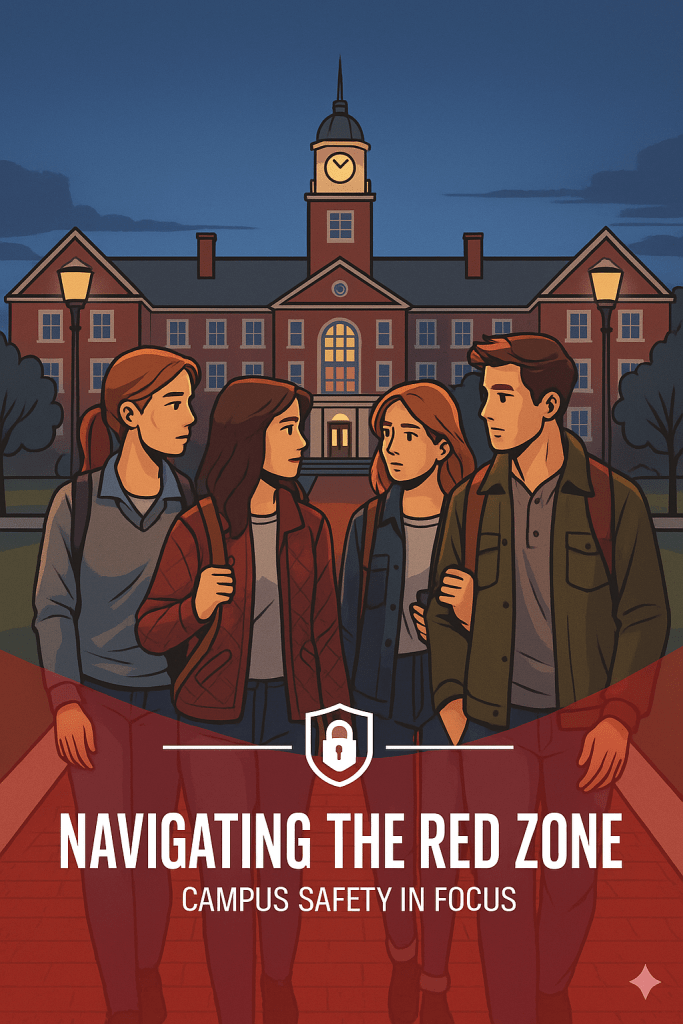
But there’s something you probably didn’t hear about at orientation. As the new school year begins, college campuses face what researchers and advocates call the Red Zone, a stretch of weeks between move-in and Thanksgiving when students, especially freshmen, face the highest risk of sexual assault. Universities spend a lot of energy hyping up campus life, but this very real danger is very rarely discussed.
What Is the Red Zone?
The Red Zone isn’t just a buzzword. It’s a widely recognized term referring to the period from the beginning of the fall semester through Thanksgiving break. Studies show that Over 50% of all campus sexual assaults are statistically found to occur during these crucial first few weeks, with first-year women disproportionately affected. And behind every number is a student whose life could be changed forever.
It’s not a myth. It’s not a scare tactic. It’s a statistical reality.
This statistic represents countless individual experiences that can profoundly impact a student’s life. It can derail their academic career, it can destroy their sense of self worth (“It’s my fault”), their sense of mental well being (“I no longer feel safe anywhere.”) and physical health (“He hurt me, but I’m too embarrassed to report it.”).
Understanding the Red Zone isn’t about fear-mongering; it’s about empowering every member of the campus community, students, parents, and faculty alike, with the knowledge and tools to prevent harm and foster a truly safe environment.
Why Does It Happen?
Why Is This Such a Risky Time?
There’s no single reason. Instead, it’s a bunch of things happening all at once:
New and vulnerable students
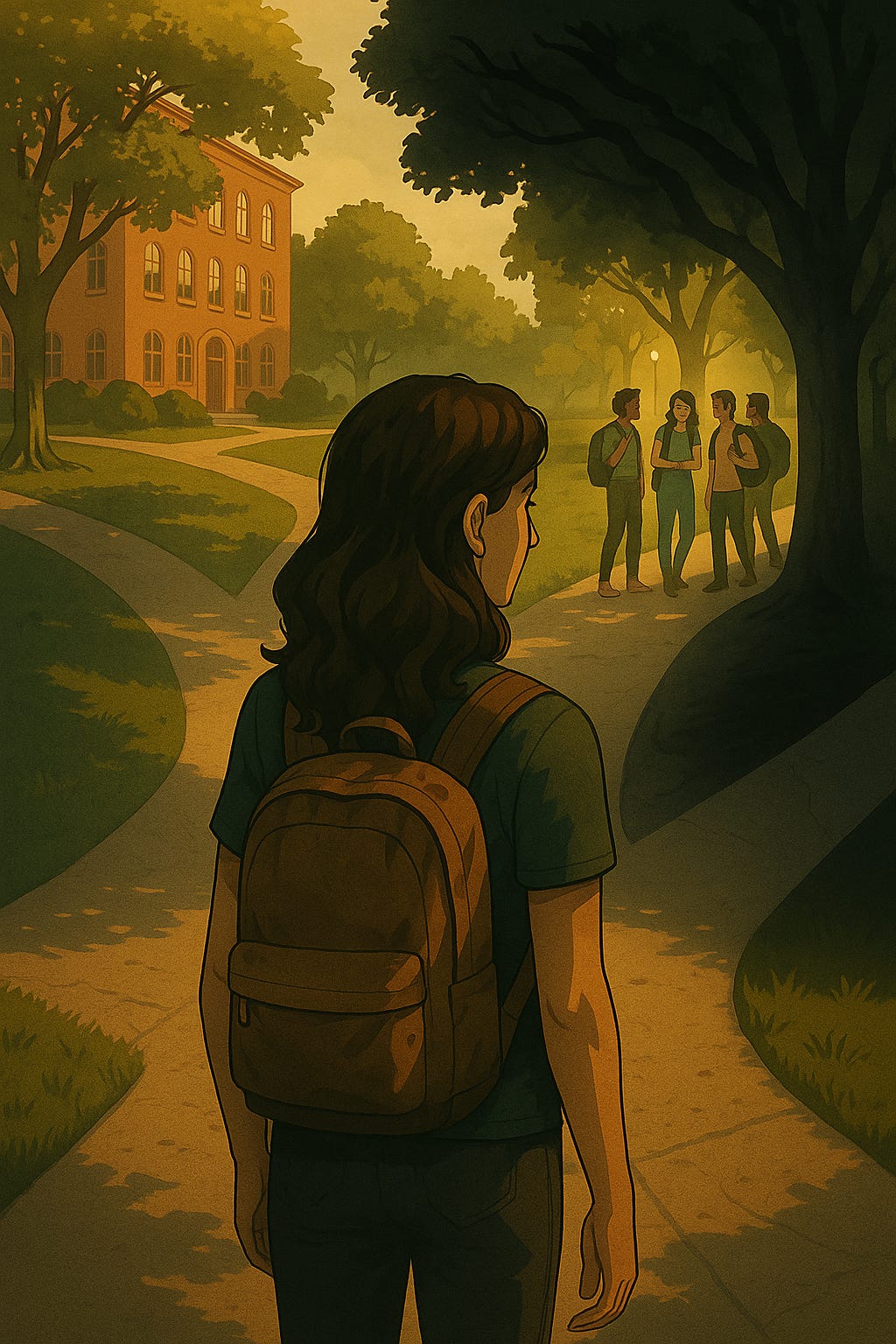
Freshmen are away from home for the first time and are navigating an entirely unfamiliar world. They’re trying to find their footing, make friends, and fit in, all while figuring out who to trust. That mix of excitement and uncertainty can make them more vulnerable, especially if they’re not sure what red flags to watch for.
The transition from home to college often means a sudden surge of independence, coupled with the pressure to fit in and make new connections. This can lead to decreased awareness of potential risks, a reluctance to say “no” in social settings, or simply not knowing who to trust or where to turn for help. They might be eager to embrace every new experience, potentially overlooking red flags they might recognize in a more familiar environment.
Party culture and alcohol

Then there’s the party and socialization scene. The start of the year is packed with events and parties, Greek life rush events, and in many cases lots of drinking. While many are innocent and fun, they often involve alcohol, which is a major contributing factor in sexual assaults. These are situations where boundaries get blurry. Let’s be clear: alcohol doesn’t cause sexual assault, but some people use it to their advantage. Impaired judgment doesn’t just affect potential victims; it can also keep bystanders from stepping in when something feels off.
Acquaintance assaults

And forget the idea of a stranger lurking in the bushes. Most assaults on campus happen between people who know each other, classmates, acquaintances, even supposed friends. That’s what makes it so insidious.
The combination creates the perfect storm.
What the Research Says
The stats are sobering:
- The majority of campus assaults happen during the Red Zone.
- Freshman women are most at risk, but no one is immune.
- Some research shows the danger stretches through the whole first semester.
The point is clear: early college life is not just stressful—it’s dangerous.
What Needs to Change
Let’s be honest: If colleges can cover dorms with posters about recycling, they can do a lot more to keep students safe.
- Orientation shouldn’t just be about meeting your RA or learning the campus map. Workshops on consent and bystander intervention should be required.
- Students need to look out for each other—walk in groups, check in after parties, and don’t be afraid to speak up.
- Schools have to take this seriously, too. Title IX offices and campus security should make prevention and reporting a priority, not just a checkbox for the website.
- And parents? You shouldn’t be left out of the conversation just because your kid’s technically an adult now.
Closing: Let’s Stop Pretending
Let’s Stop Pretending
Every parent wants to think the hardest part of sending a kid to college is saying goodbye at the dorm. But here’s the reality: the bigger threat isn’t failing a class, it’s what can happen during those first weeks on campus.
Talking about the Red Zone doesn’t make things worse. Ignoring it does.
So if you’re a student, share this with your friends. If you’re a parent, start the conversation before move-in day. And if you’re a college administrator, prove that you care about more than just enrollment numbers.
Because predators count on people staying silent. Let’s make sure they can’t.




 DAD BOD WEEKLY