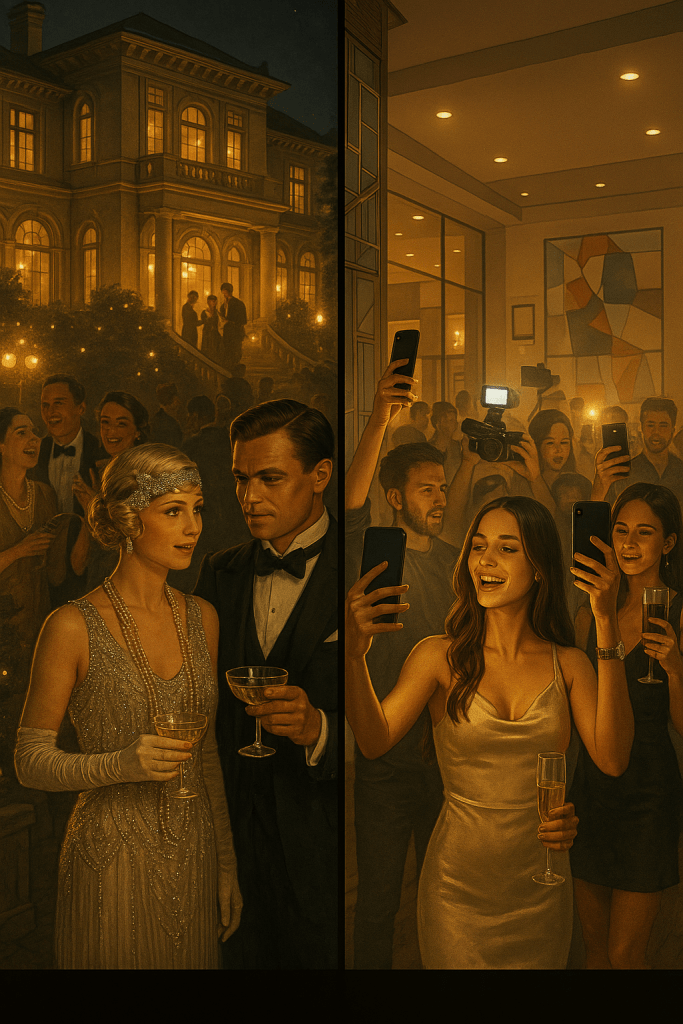
Split scene showing a glamorous 1920s Gatsby party blending into a modern influencer party filled with phones and cameras.

Fitzgerald’s Jazz Age masterpiece predicted our age of filters and followers, and its warning about illusion, loneliness, and moral decay is hitting our kids harder than ever.

Part 3 in the Series, A Curriculum of Dissent


Last week I was reading The Great Gatsby. Actually, I was re-reading it for about the 10th time. We’ve all read it in high school. But the problem is, that in high school you have to read it, not want to read it. Therefore there is a wall of resistance by high school kids (mine included) that prevents them from absorbing the brilliance and the grasping the themes of true happiness, false status, cultural performance and true life meaning.

My kid noticed me reading the book and asked me why they are required to read the book. It’s on their required reading list for next semester.

“Dad, it’s about rich people and parties from a hundred years ago. What does that have to do with me?”

“It has everything to do with you,” I told them.

Here’s what most people miss: Fitzgerald wrote the first real social-media novel. Gatsby is all about putting on a show for the world, curating your life, chasing someone else’s definition of happiness. It’s about wanting what everyone else has, and masking emptiness with a pretty face. Sound familiar?

It’s a story about outward performance. It’s about curating an image, believing status leads to happiness. It’s a story about cultural envy. And most importantly it’s a story about moral bankruptcy disguising itself as glamour.

Every one of those themes are putting pressure on and causing record levels anxiety levels in our kids today.

Gatsby embraced the idea of spinning up a “personal brand” from scratch. He created an entire persona, mysterious and magnetic, just to win the love of someone always out of reach, and a social circle full of people who will never let him in. He threw wild parties, built a myth from gossip, and let rumor turn into reality. He was an influencer. He was a living, breathing meme.

My kids think their generation is too modern for Gatsby. They have difficulty seeing Gatsby is experiencing the same FOMO they live everyday. While Gatsby built a mansion, threw parties and curated a mysterious persona in real time, our kids do the same thing every day. Only they do it on Tik Tok, YouTube, Snap and Twitter. The only difference is today’s consequences are far more dangerous and wide spread. Sextortion, Predators, Scammers and online stalkers are the consequences today.

The Pursuit of Image
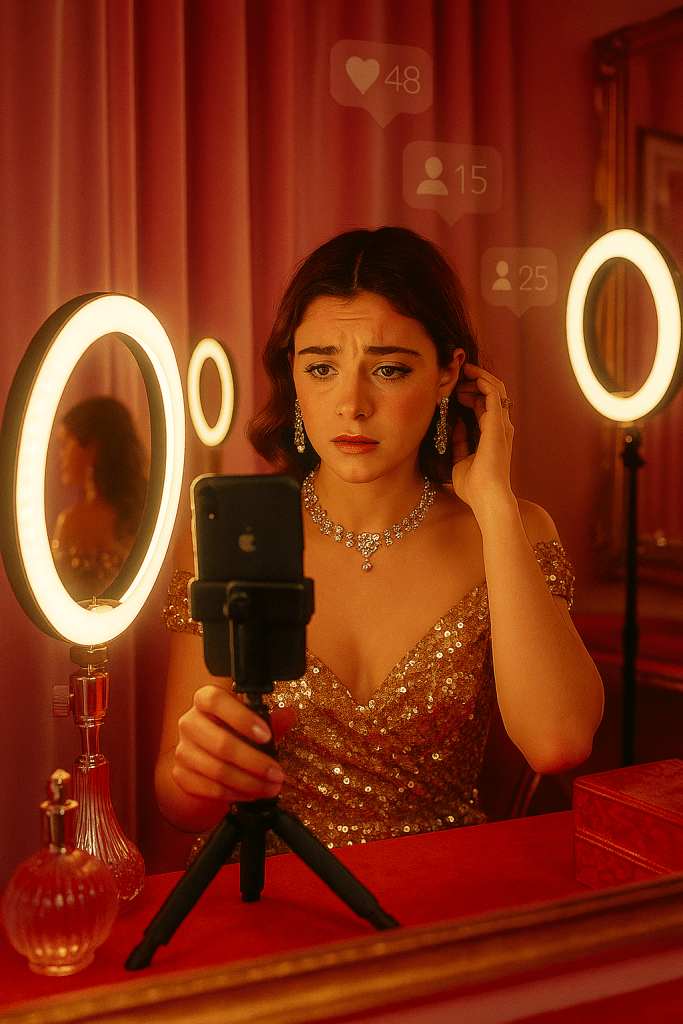
Gatsby’s mansion isn’t a home; it’s a theatrical stage set designed to broadcast an image across society. He’s constantly performing for an audience that doesn’t care about him. He isn’t chasing Daisy so much as chasing the version of himself he believes she’ll love, the myth of success polished until it blinds him.

That’s the modern teenager’s trap. They build highlight reels curating only the best moment of their lives. Only the good stuff shines out. They edit their personalities for engagement. Reels, Snaps, Filters, Editors, Masks. They create the same illusion as Gatsby. Only the platform has changed. An here’s where it gets dangerous. When you start believing in your own advertising, you lose sense of who you really are. That’s dangerous, mentally and physically.

The Pursuit of Wealth as Happiness

Gatsby thinks money is the ticket. To him, money equals belonging, love, a pass into some rarefied world. Gatsby worships money not for what it buys, but for what he thinks it promises; legitimacy, belonging and, love. He thinks he can change reality with champagne fueled highlight reels and society gossip. But he’s wrong on every single count.

That’s the delusion the digital world keeps selling to our kids: money equals happiness, money will bring you love, that money buys perfection. Gatsby chased the wrong currency. He chased wealth and perceived status thinking it would bring him love, morals, values and authenticity.

The Callousness of the Rich

Tom and Daisy Buchanan are the patron saints of entitlement. They hurt the people around them and hide behind their privilege.

That’s a theme being played out in real time today.

Every generation has its Buchanans, politicians who blame the poor for being poor, CEOs who preach “values” while squeezing their labor, influencers who cry on camera to generate engagement.

Tom and Daisy walked away from the wreckage. So do most of our modern leaders, from politicians, to preachers and influencers. Fitzgerald warned us about consequences not existing for the rich and powerful. A scenario influencing our kids philosophy of life today.

Illusion vs. Reality

The very core of the novel is the theme of deception, of others and of self.
Every guest at Gatsby’s mansion talks about him, but no one knows him. He’s a meme. He becomes a manufactured image with a heartbeat. And social media is a swamp full of Gatsby ghosts, big smiles hiding exhaustion, glossy wins hiding burnout. Our task is to teach them to recognize, understand and reject the digital images presented as reality.

We’re raising kids fluent in filters, but lost when it comes to authenticity. That’s what Fitzgerald was warning about: when you chase the illusion long enough, you forget who you were before you put on the costume.

Loneliness and Isolation
Here’s the line every parent should discuss with their kids:

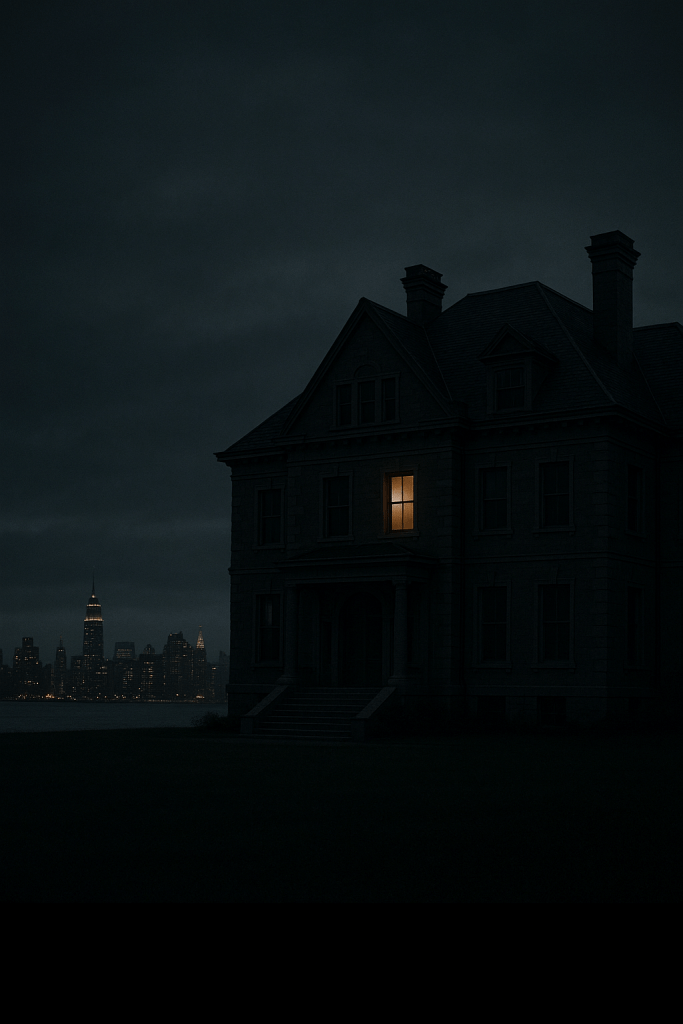
Gatsby’s house is packed every weekend, and he still dies alone.

We can fill every corner of our digital mansions with followers and still be starving for real connection. Our kids can fill every streaming minute, every social feed, every DM. Still, the loneliness lingers. Maybe it’s worse than ever. More connections doesn’t mean you’re any less isolated.

Gatsby’s loneliness was a consequence of his own actions.
He built his life on image and performance. And yet, nobody really knew him.

Moral Decay Behind Glamour

Fitzgerald write about a segment of society that was rotting while wrapped in gold. Every glittering detail, the parties, the clothes, the music, excess amounts of champagne, the new cars cars, the shallow agreeable laughter all hide true human depth and show the decay of empathy and human values.

That’s still the social situation our kids are living in today: the prettier the picture, the harder the truth behind it. The same platforms that promise connection profit from comparison. We tell our kids to “be authentic” while feeding them a world that rewards the opposite.

What Gatsby Got Wrong, And What Our Kids Can Get Right

Gatsby’s failure wasn’t dreaming big, it was chasing admiration from people who didn’t matter. He lost himself trying to impress the crowd.

That’s the warning our kids need.
That’s what we’ve got to tell our kids: Your dreams aren’t the problem. Just make sure you’re not measuring yourself by the wrong signals. Don’t confuse likes with love. Don’t hand your sense of self over to strangers.

If you’re reading this and raising teens, hand them The Great Gatsby, and talk about it. Ask them who in their world looks like Gatsby. Ask them what their “green light” is. And then remind them that the real American Dream isn’t the mansion, the money, or the image.

It’s being able to stand in the noise and say, I still know who I am.


Fitzgerald’s Jazz Age masterpiece predicted our age of filters and followers, and its warning about illusion, loneliness, and moral decay is hitting our kids harder than ever.

Part 3 in the Series, A Curriculum of Dissent


Last week I was reading The Great Gatsby. Actually, I was re-reading it for about the 10th time. We’ve all read it in high school. But the problem is, that in high school you have to read it, not want to read it. Therefore there is a wall of resistance by high school kids (mine included) that prevents them from absorbing the brilliance and the grasping the themes of true happiness, false status, cultural performance and true life meaning.

My kid noticed me reading the book and asked me why they are required to read the book. It’s on their required reading list for next semester.

“Dad, it’s about rich people and parties from a hundred years ago. What does that have to do with me?”

“It has everything to do with you,” I told them.

Here’s what most people miss: Fitzgerald wrote the first real social-media novel. Gatsby is all about putting on a show for the world, curating your life, chasing someone else’s definition of happiness. It’s about wanting what everyone else has, and masking emptiness with a pretty face. Sound familiar?

It’s a story about outward performance. It’s about curating an image, believing status leads to happiness. It’s a story about cultural envy. And most importantly it’s a story about moral bankruptcy disguising itself as glamour.

Every one of those themes are putting pressure on and causing record levels anxiety levels in our kids today.

Gatsby embraced the idea of spinning up a “personal brand” from scratch. He created an entire persona, mysterious and magnetic, just to win the love of someone always out of reach, and a social circle full of people who will never let him in. He threw wild parties, built a myth from gossip, and let rumor turn into reality. He was an influencer. He was a living, breathing meme.

My kids think their generation is too modern for Gatsby. They have difficulty seeing Gatsby is experiencing the same FOMO they live everyday. While Gatsby built a mansion, threw parties and curated a mysterious persona in real time, our kids do the same thing every day. Only they do it on Tik Tok, YouTube, Snap and Twitter. The only difference is today’s consequences are far more dangerous and wide spread. Sextortion, Predators, Scammers and online stalkers are the consequences today.

The Pursuit of Image

Gatsby’s mansion isn’t a home; it’s a theatrical stage set designed to broadcast an image across society. He’s constantly performing for an audience that doesn’t care about him. He isn’t chasing Daisy so much as chasing the version of himself he believes she’ll love, the myth of success polished until it blinds him.

That’s the modern teenager’s trap. They build highlight reels curating only the best moment of their lives. Only the good stuff shines out. They edit their personalities for engagement. Reels, Snaps, Filters, Editors, Masks. They create the same illusion as Gatsby. Only the platform has changed. An here’s where it gets dangerous. When you start believing in your own advertising, you lose sense of who you really are. That’s dangerous, mentally and physically.

The Pursuit of Wealth as Happiness

Gatsby thinks money is the ticket. To him, money equals belonging, love, a pass into some rarefied world. Gatsby worships money not for what it buys, but for what he thinks it promises; legitimacy, belonging and, love. He thinks he can change reality with champagne fueled highlight reels and society gossip. But he’s wrong on every single count.

That’s the delusion the digital world keeps selling to our kids: money equals happiness, money will bring you love, that money buys perfection. Gatsby chased the wrong currency. He chased wealth and perceived status thinking it would bring him love, morals, values and authenticity.

The Callousness of the Rich

Tom and Daisy Buchanan are the patron saints of entitlement. They hurt the people around them and hide behind their privilege.

That’s a theme being played out in real time today.

Every generation has its Buchanans, politicians who blame the poor for being poor, CEOs who preach “values” while squeezing their labor, influencers who cry on camera to generate engagement.

Tom and Daisy walked away from the wreckage. So do most of our modern leaders, from politicians, to preachers and influencers. Fitzgerald warned us about consequences not existing for the rich and powerful. A scenario influencing our kids philosophy of life today.

Illusion vs. Reality

The very core of the novel is the theme of deception, of others and of self.
Every guest at Gatsby’s mansion talks about him, but no one knows him. He’s a meme. He becomes a manufactured image with a heartbeat. And social media is a swamp full of Gatsby ghosts, big smiles hiding exhaustion, glossy wins hiding burnout. Our task is to teach them to recognize, understand and reject the digital images presented as reality.

We’re raising kids fluent in filters, but lost when it comes to authenticity. That’s what Fitzgerald was warning about: when you chase the illusion long enough, you forget who you were before you put on the costume.

Loneliness and Isolation

Here’s the line every parent should discuss with their kids:

Gatsby’s house is packed every weekend, and he still dies alone.

We can fill every corner of our digital mansions with followers and still be starving for real connection. Our kids can fill every streaming minute, every social feed, every DM. Still, the loneliness lingers. Maybe it’s worse than ever. More connections doesn’t mean you’re any less isolated.

Gatsby’s loneliness was a consequence of his own actions.
He built his life on image and performance. And yet, nobody really knew him.

Moral Decay Behind Glamour

Fitzgerald write about a segment of society that was rotting while wrapped in gold. Every glittering detail, the parties, the clothes, the music, excess amounts of champagne, the new cars cars, the shallow agreeable laughter all hide true human depth and show the decay of empathy and human values.

That’s still the social situation our kids are living in today: the prettier the picture, the harder the truth behind it. The same platforms that promise connection profit from comparison. We tell our kids to “be authentic” while feeding them a world that rewards the opposite.

What Gatsby Got Wrong, And What Our Kids Can Get Right

Gatsby’s failure wasn’t dreaming big, it was chasing admiration from people who didn’t matter. He lost himself trying to impress the crowd.

That’s the warning our kids need.
That’s what we’ve got to tell our kids: Your dreams aren’t the problem. Just make sure you’re not measuring yourself by the wrong signals. Don’t confuse likes with love. Don’t hand your sense of self over to strangers.

If you’re reading this and raising teens, hand them The Great Gatsby, and talk about it. Ask them who in their world looks like Gatsby. Ask them what their “green light” is. And then remind them that the real American Dream isn’t the mansion, the money, or the image.

It’s being able to stand in the noise and say, I still know who I am.


3 responses to “The Great Gatsby and the Birth of Influencer Culture: Why a 100-Year-Old Novel Still Defines Our Digital Lives”

  1. Brave New World and the Screen Age: How Aldous Huxley Predicted Social Media, Dopamine, and the Death of Depth – DAD BOD WEEKLY Avatar

    […] and its warning about illusion, loneliness, and moral decay is hitting our kids harder than ever. You can read that post here. We explored Catcher in the Rye and Holden Caufield was asking if anyone still cares about fragile […]

    Like

  2. Don’t Panic: What The Hitchhiker’s Guide to the Galaxy Teaches Kids About Flexibility, Meaning, and Surviving a Chaotic World – DAD BOD WEEKLY Avatar

    […] In our “Curriculum of Dissent” series, we explored The Great Gatsby and cornered one man’s obsession with image, false love, and his fatal downfall when authenticity, decency, and empathy are replaced by the chase for status, image, and greed. (Click here to read that post) […]

    Like

  3. Hunter S. Thompson and the Death of American Honesty: Why Our Kids Need His Fearless Truth Today. – DAD BOD WEEKLY Avatar

    […] In our Curriculum of Dissent series, we explored The Great Gatsby and one man’s obsession with image, false love, and his fatal downfall when authenticity, decency, and empathy are replaced by the chase for status, image, and greed. (Click here to read that post)  […]

    Like

Leave a comment