
Alcohol and cigarettes are down. But nicotine pouches, fentanyl, and endless screen time are creating a new generation of risks for middle and high schoolers.
Top 5 Vices of the Young Generation (Middle & High School)

We’ve all been there. In our teens we took the opportunity to spread our wings, take some risks, and occasionally do some really stupid shit. I’ll be the first to admit I’ve woken up some mornings asking what the hell did I do last night? Or worse, have my friends tell me what I did last night.
And our kids, as they roll their eyes at us, probably heard it all; “Back in my day, we were worried about… (insert classic teen vice here, smoking , drinking pot, etc.).” But times have changed, and so do the ways kids rebel and experiment. If you’re looking for a straight-up guide to what’s new on the teen-vice front, and whether you should be worried, you’ve come to the right place.
The good news? The data suggests that many of the vices we used, drinking and smoking cigarettes, are at historic lows. The bad news? New habits and substances have emerged, and some of them come with their own unique set of risks and can be mor harmful than anything we took.
Let’s dive into what the data says.
The Old-School Vices: On the Decline
Alcohol:
The drinking culture of past generations isn’t as prevalent among today’s teens. The Centers for Disease Control and Prevention (CDC) and other studies confirm this trend. In 2024, the “Monitoring the Future” study found that teen alcohol consumption and binge drinking has reached record low levels. This is a continuation of a long-term decline that has been happening for over two decades. Fewer teens are drinking, and those who do are consuming less.
Cigarettes:
This is another big win for public health. Teen cigarette smoking is at its lowest level ever recorded. While a small percentage of high school students still smoke, the numbers are a fraction of what they were in the past.
The New Vices: The Digital and Chemical Frontier
So if our kids aren’t drinking or smoking (and having sex later) what are they doing? The truth is, they haven’t become tea drinkers. They’ve simply swapped out old vices for new ones, physical and mental
Top 5 Vices of the Young Generation (Middle & High School)
1.) Nicotine Products; Vaping and Nicotine Pouches
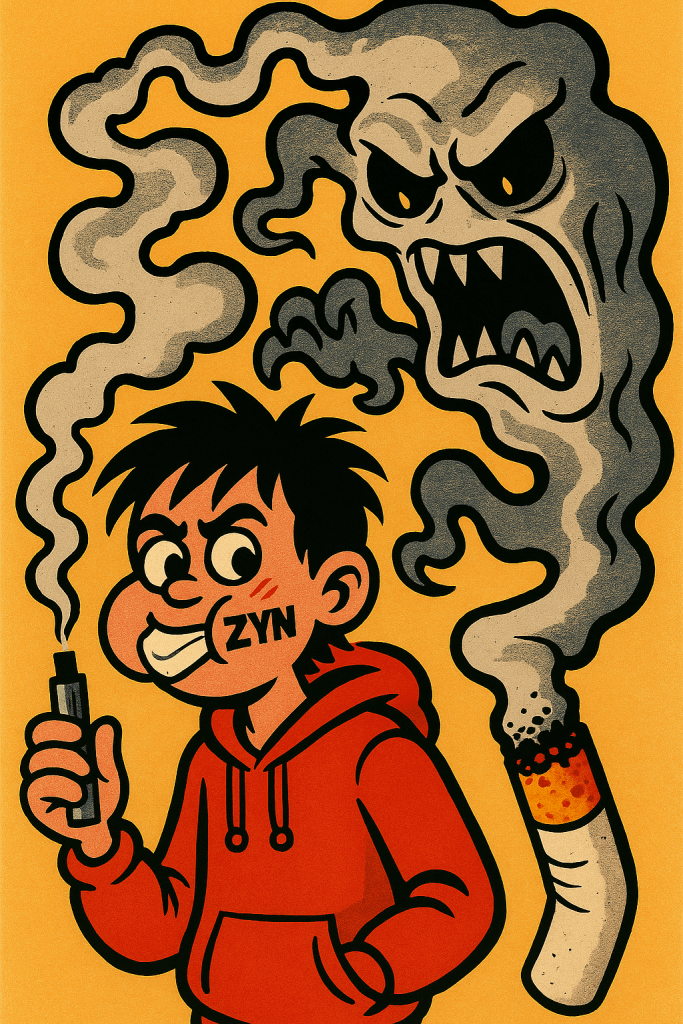
This is the big one. Flavored vapes and nicotine pouches (like Zyn) remain the leading-edge addiction among young teens. While traditional smoking is down, nicotine in stealthier forms is still hooking kids, and its health fallout is just as real. Why?
High Nicotine Content
Many modern vaping devices and pods contain extremely high concentrations of nicotine, a highly addictive substance. One pod can have as much nicotine as a pack of cigarettes.
Deceptive Marketing
Vaping products often come in flavors like fruit and candy, which can make them particularly appealing to young people. They can also be discreet, resembling common items like USB drives or pens.
The “Gateway” Effect
Research suggests that teen vaping can increase the risk of them transitioning to smoking traditional cigarettes later on.
2. Legal Marijuana
With the increasing legalization of cannabis for medicinal and recreational use, marijuana is a new frontier for parents to navigate. Data shows that marijuana use among teens has fluctuated but has remained a significant concern. The biggest change is how teens are using it. Vaping has become the most popular method for consuming marijuana, and the potency of modern strains (with THC levels 3-4 times higher than in the 1990s) presents new risks to a developing brain. But I must admit, I’d rather have my kid buy his pot from a regulated legal dispensary instead of getting it from a friend of a friend. The days of buying dime bags from a friend of Bobby’s at the end of the dorm hall need end. Tell your kids: “Do not ever buy your weed from a stranger!”
Why? See the next point.
3. Fentanyl and Counterfeit Prescription Drug Misuse
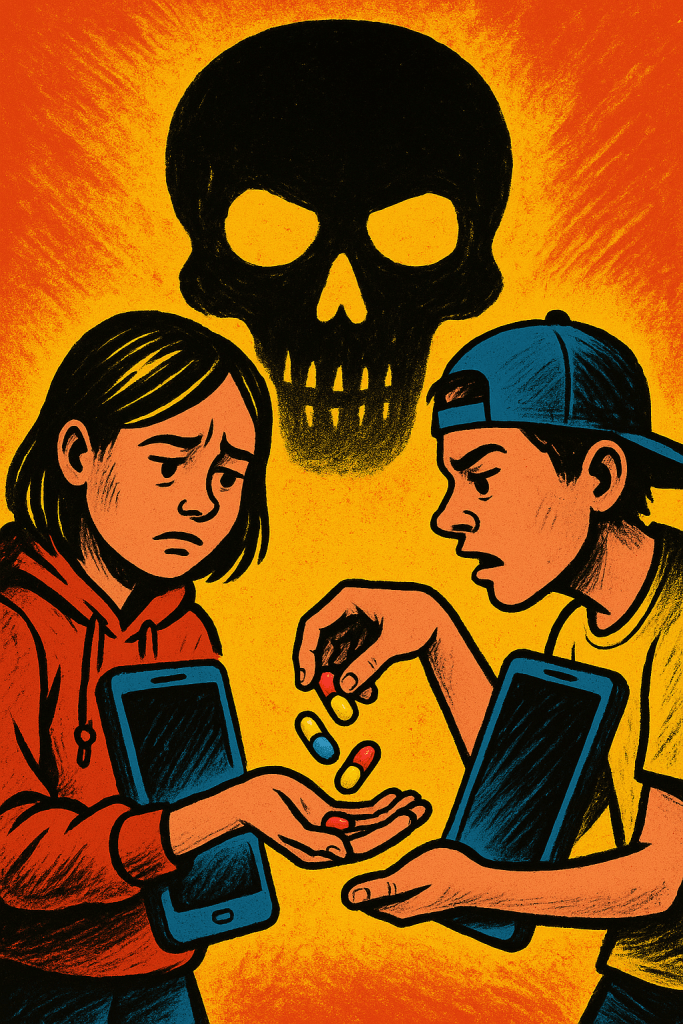
This is perhaps the most frightening trend. Getting your weed or stuff from an unknown source is too fucking dangerous.
While overall misuse of prescription drugs is down, the rise of fentanyl-laced counterfeit pills is a public health crisis that is hitting teens hard. Fentanyl is a synthetic opioid 50 times stronger than heroin, and even a tiny, non-lethal dose can be deadly. Teens are often unknowingly purchasing these counterfeit pills through social media, leading to a tragic rise in overdose deaths.
4. The Dopamine Addiction: Social Media Addiction & Problematic Smartphone Use
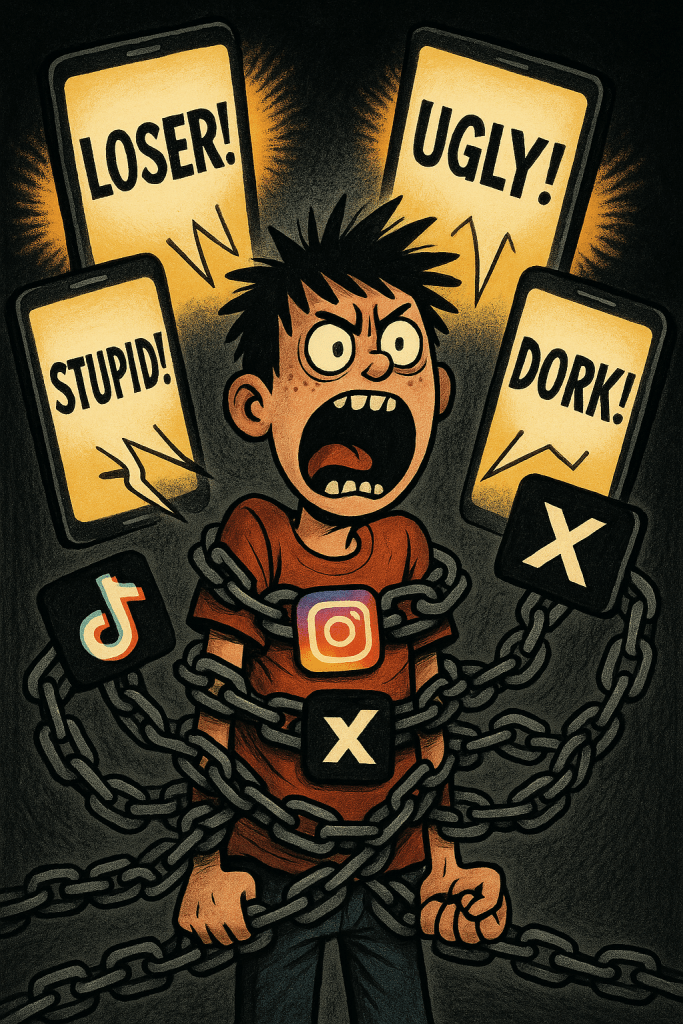
While not a substance, the overuse of social media and video games has become a major concern. And this addiction starts young. And this addiction is unknowingly encouraged by parents. We buy them the systems, we buy them the games. We buy them the phones. This is interpreted by kids as a sing that this addiction is ok. (It keeps them in their rooms and keeps them quiet). In addition, online gaming with unregulated chat are prime hunting grounds pedophiles and hate groups. See my article on ROBLOX on this page.
Unrelenting digital stimulation is rewriting youth development. Nearly half of children (aged 9–10) show signs of high addictive mobile phone usage; similar figures hold for social media, creeping up to 10% showing strong addiction patterns. These behaviors correlate with a 2–3× higher risk of suicidal thoughts or behaviors, not based on just screen time, but on addictive use patterns.
Many teens are using these platforms as “third places” to socialize and build community, but excessive use has been linked to negative mental health outcomes, including anxiety and depression.
5. Cyberbullying and Harmful Online Content
The unchecked digital world delivers emotional damage that lasts longer than any physical addiction. Red Pill Manosphere assholes churn out hate content and misogynist teachings that will create a generation of incels. Boys addicted to this manosphere bullshit will forever have difficulty establishing healthy relationships, healthy sex lives, and fulfilling careers. And these teachings will ALWAYS give them a way to blame others for their problems.
Teens who spend more than 5 hours a day on social media are 73% more likely to face cyberbullying (for middle schoolers, in particular) SQ Magazine. Prevalence is high: most teens report cyber harassment, often tied to anxiety, self-esteem erosion, and even self-harm ideation Bright Path Adolescent Mental HealthHHS.gov. Add widespread exposure to violent or disturbing posts and teens are literally scared to go outside after seeing violent content online.
This all leads to anxiety disorders affect about 32% of teens, and roughly 20% experience major depressive episodes by age 17. These aren’t just clinical stats, they’re the emotional undercurrent fueling substance use, online dependence and lashing out with risky behavior.
What’s a Dad to Do?
So, should we be worried? The short answer is yes, but our approach needs to evolve. The old “Just Say No” campaign was a lousy slogan, and but it’s nowhere near an effective strategy for today’s landscape.
- Let’s do what our dad’s never did: Talk: There’s a fine line here. We need to talk to our kids, but not lecture. Open an honest and non judgmental dialogue. Believe it or not kids look to their parents for advice on what to do. They shut us out when we feed them bullshit. Listen to their conversations and use it as a starting point for a conversation.
- Understand the “Why”: Why are they interested in these things? Is it peer pressure? Stress? The need for social connection? Addressing the root cause is often more effective than simply banning the behavior.
- Acknowledge and Educate: Recognize that the world has changed. Explain the specific risks of high-nicotine vapes or the dangers of fentanyl in counterfeit pills. Arm them with information, not just fear.
- Set Boundaries and Model Behavior: Create shared plans for screen time and use, and hold yourself accountable. Be the person you want them to be, show them that life can be fun and fulfilling without being reliant on substances or digital stimulation.
The vices of today’s teens may look different, but the core issues remain the same. They’re navigating a complex world, and they need a dad who is informed, understanding, and ready to guide them through it.




 DAD BOD WEEKLY